From the Director of the Committee to End Homelessness in King County: Turn the One Night Count into Positive Momentum!

We’re re-posting this piece from our colleague Lisa Gustaveson at the Faith & Family Homelessness Project, who passes along an important perspective on this year’s One Night Count of Homelessness in King County. Neighboring counties will do their count later this week, and a lot of what Mark and Lisa say applies to those counties as well. Let’s turn our reaction to the numbers into action to make homelessness rare, brief and one time!

Lisa Gustaveson's avatarSeattle University School of Theology and Ministry's Faith & Family Homelessness Project

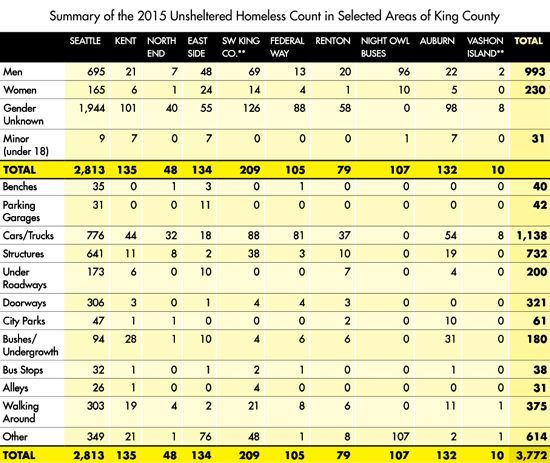
One Night Count 2015On or around January 23, 2015 most regions of the country – and every county in Washington State – completed local Point in Time Counts. These manual counts of people who are experiencing homelessness give us a snapshot of how the homeless system is performing. Last week King County reported a 21% increase in the number of people they found living in places not fit for human habitation. Clearly, we need to make changes to the way we are doing things to reach the outcomes needed  to make homelessness rare, brief and one time.

In press release, Alison Eisinger, Executive Director of the Seattle/King County Coalition on Homelessness, which organizes the count, reports a substantial increase over those found without shelter last year. “This year’s Count is heart-breaking evidence that we cannot cover our community’s most basic needs. Clearly, the crisis of people homeless and without shelter is growing, and clearly we…

View original post 785 more words

“America’s Youngest Outcasts”: Report Finds 1 in 30 children in America are Homeless

Faith & Family Homelessness Project's avatarSeattle University School of Theology and Ministry's Faith & Family Homelessness Project

The American Institutes for Research and The National Center on Family Homelessness came out with a report last week revealing that a staggering 2.5 million children living in the United States are homeless. That’s 1 of every 30 children in America – an 8% increase nationally from 2012 to 2013.

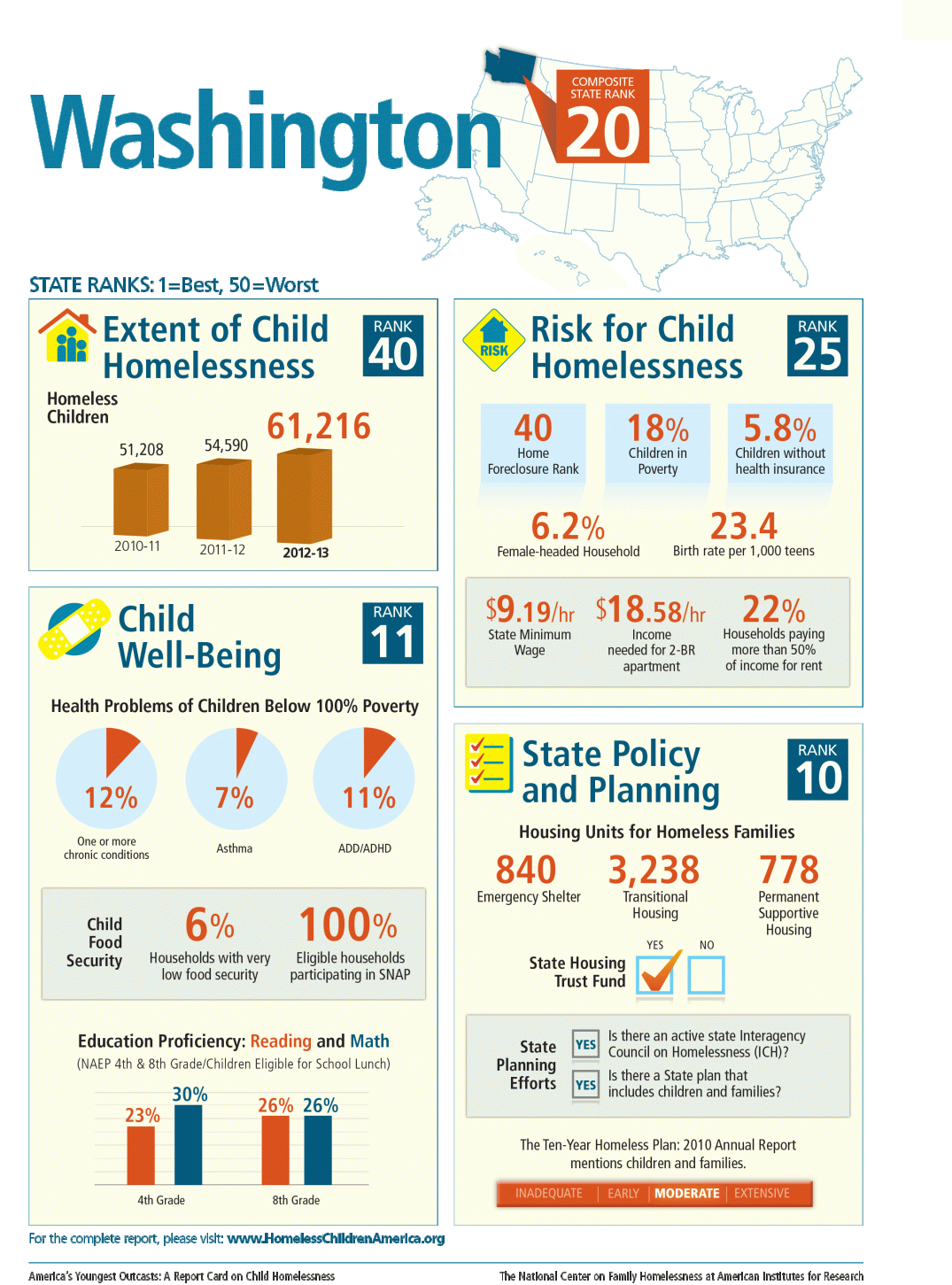
The report ranks all fifty states (and the District of Columbia) according to their performance in four domains related to child homelessness: extent of child homelessness, risk for child homelessness, child well-being, and state policy and planning. As you can see in the infographic below, Washington ranks fairly high in child well-being and policy and planning, but middle-of-pack when it comes to risk factors for homlessness, and low in extent of child homelessness due to our very high number of homeless children.

Washington-Child-Homelessness-2014-infographic


So, what can we do as people of faith? The report points to the need for safe…

View original post 193 more words

Homelessness and Poverty in the Public Education System: An Intro to Our Blog Series

This is a re-post from our partner, Firesteel, from Sept. 2, 2014.  This week, Firesteel began publishing an insightful seven-part series on homelessness in the classroom, written by our project coordinator, Perry Firth. Homelessness affects more than 30,000 school-age children in Washington state.
The series also includes brand-new infographics, designed by our digital design assistant, Krista Kent (see below). Read and share!

Children know when they are falling behind academically. As they continue to struggle, they can develop both low self esteem and a dislike of school. That is why it is so essential that children who need extra help get it.<br /><br /><br /><br /><br /><br /><br /><br /><br /><br /><br /><br />
Image from pixabay.com.


Children know when they are falling behind academically. As they continue to struggle, they can develop both low self esteem and a dislike of school. That is why it is so essential that children who need extra help get it. Image from pixabay.com.

As the new school year starts, teachers face many challenges. So do children who are dealing with homelessness and poverty. And this couldn’t be truer than for impoverished children who are also in need of special education services. With parents focusing on day-to-day survival and too busy to consistently advocate for their needs, children who are homeless may fail to receive the services they need to succeed in school.

The result is that children already harmed by their living circumstances can fall even further behind. Therefore, adults who work with children in poverty and homelessness need to understand how this environment influences academic skill and emotional development, and how it relates to special education needs.

So, we present this seven-part series on how homelessness and poverty affect the development of children, and how this can show up in the education system. Thanks to Perry Firth for contributing this important series.

Read the full post here and follow the seven-part series on Firesteel.

Also, check out these new infographics created for the series by our digital design assistant, Krista Kent. 


Continue reading

A Local Perspective on the 2014 National Conference on Homelessness

Inside the Conference that’s Inside the Beltway: Mark Putnam from the Committee to End Homelessness in King County reflects on the recent annual National Conference on Ending Homelessness in Washington, D.C. Family homelessness was well represented at this conference, and our “American Refugees” short films played a role, inspiring the 1,600 conference goers as they waited for the First Lady to speak.

Lisa Gustaveson's avatarSeattle University School of Theology and Ministry's Faith & Family Homelessness Project

Submitted by Mark Putnam, Director, Committee to End Homelessness in King County

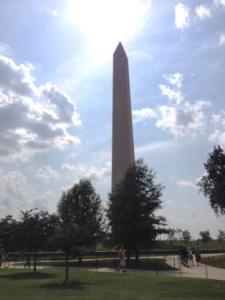
MOnumentThis past July, several King County based Committee to End Homelessness staff braved the heat and humidity of a Washington, D.C. summer to attend the 2014 National Conference on Ending Homelessness.

The annual conference offers thousands of people from across the United States and Canada who work to end homelessness an opportunity to learn from each other, discuss effective solutions for ending homelessness with leading experts in the field, and offer their voices in shaping effective strategies and policies to end homelessness in their region.

This year’s conference signaled a new tone and energy in the work of ending homelessness. Attendees celebrated the great strides made in developing and implementing innovative strategies that aim to make homelessness rare, brief and one-time. We know what works and doesn’t work, and there’s a renewed energy to take on the…

View original post 517 more words

2014 Conference on Ending Homelessness, Yakima, WA

Written by Graham Pruss, Project Coordinator, Seattle University’s Project on Family Homelessness

red lion hotel restaurant and lounge billboard welcome ending homelessness
The Red Lion Welcomes Ending Homelessness

On May 21 and 22, 2014, Yakima hosted the Washington Low Income Housing Alliance’s 24th Annual Conference on Ending Homelessness, a dynamic combination of speakers and workgroups attended by more than 600 service providers, non-profit organizers and advocates for low-income people. I attended the Conference with colleagues from Seattle University’s Project on Family Homelessness, and because of my own research around income inequality, direct outreach, vehicle residency, advocacy and service provision. This was my second year at the CoEH and my first not presenting, allowing the time and lack of pressure to appreciate the Conference fully. I was looking forward to participating in workshops such as “Does Class Matter In Homeless Advocacy?,” “Reduction In Federal Affordable Housing Funding & The Re-Emergence Of Contemporary Homelessness,” and “Finding The Forgotten: Engaging The Chronically Homeless.”

Alan Peterson, managing director of Real Change on Class in Homeless Advocac
Alan Preston, managing director of Real Change, on “Class in Homeless Advocacy”

I arrived at the Conference excited to see friends, colleagues and acquaintances from throughout Washington state. After lunch, we broke into workshops prepared by the Conference – all were very well organized, with clear goals and information to take home and follow up on. In particular, Western Regional Advocacy Project (WRAP) Executive Director Paul Boden’s presentation on the “Reduction in Federal Affordable Housing Funding” was an eye-opening experience for the packed room. Boden spent an hour and a half frenetically describing the effect of reallocating housing funding from established U.S. community cornerstones such as the departments of Veterans Administration (VA) and Housing and Urban Development (HUD), to general “homeless” services such as the current McKinney-Vento federally funded programs. On this, Boden remarked, “The impact of de-funding housing was that ‘poor’ people became ‘homeless’ people. But, they’re still people. Housing, health care and education are not homeless issues, they are social justice issues.”

Continue reading

Firesteel Blog: Hacking to End Homelessness

More from inside the Hackathon!  Our partners at Firesteel have documented their Hack to End Homelessness experience in this great blog post. It describes Erin’s experiences working on the “Maptastics” super-team, features one of Denise Miller’s trademark awesome videos about the weekend and also includes an interview with our special guest, Mark Horvath.

Read it here: Firesteel / Blog / Hacking to End Homelessness.


Welcome to our new blog!

The Seattle University Project on Family Homelessness has developed this blog to bring more dynamic content to our partner organizations and others interested in learning about family homelessness in their communities.  On these pages you can find information about our program, our partner organizations and our projects, as well as facts and news about family homelessness.  Please browse our site, offer your comments and suggestions, and help us provide the best information we can to help people address this important issue.

Alexandra Pelosi: “Motel Kids”

Filmmaker Alexandra Pelosi visited Seattle and Tacoma in January 2011 to share her HBO documentary, “Homeless: The Motel Kids of Orange County”  (available at www.hbo.com and www.amazon.com, and via HBONow).

APelosi

Ms. Pelosi screened the film for a group of 100 providers in Tacoma at the Grand Cinema, Jan. 20, then brought it to more than 400 film enthusiasts of SIFF Cinema that night.

  • Read the Real Change News profile of Ms. Pelosi by our Journalism Fellow Rosette Royale, then assistant editor of Real Changehere Rosette went on the ride with us when we drove Ms. Pelosi down to Tacoma and back, and the result is another terrific piece with the Rosette touch.
  • Watch a YouTube video from Ms. Pelosi’s SIFF Q&A, below.

The film remains one of the most compelling ever made about homelessness in our country. Ms. Pelosi had spent a summer living at the motel where many Orange County homeless families were living — in stark contrast to the fantasy world of Disneyland across the road, where some of the parents were working. Five years later, we’re still struck by the stories of children in the film. Highly recommended!  

If this project motivated you to take action, please view, “What Can We Do?” to learn about ways you can make a difference.