There Is No Perfect Answer — What I Learned from “Tiny – The Life of Erin Blackwell”


By Shan Yonamine, Project Assistant, Seattle University Project on Family Homelessness

Erin crying and smoking, Seattle, 2004
Erin crying and smoking, Seattle, 2004. Photo by Mary Ellen Mark.


The first thing that I wanted after seeing “Streetwise” was answers. After watching the acclaimed 1984 documentary  and getting such a candid look into the lives of the nine children, I felt as though I developed an intimate connection to each of them. I knew that “Streetwise” was only one chapter in each of their stories, and I desperately wanted to know more.

In fact, I felt entitled to know more. After all, they had opened up their lives for all to see in the most raw, uncensored way. Wouldn’t they be used to sharing their lives with the world by now?

This is why I was so excited to attend the screening of “Tiny: The Life of Erin Blackwell” – the new film about one of the children in “Streetwise” — at The Seattle Public Library on Oct. 14. Both “Tiny” herself — Erin Blackwell — and director Martin Bell would be the special guests.

As I took my seat in the audience, I couldn’t help but wonder what I would find out from Erin and Martin about the “stars” of “Streetwise.” Where are they now? Are they still homeless? Are they still struggling with addiction? Or, had things gotten better for them? Maybe they got the help they needed. Maybe the film was a turning point for them. Maybe some of them are here today. All of these thoughts filled my mind as the lights dimmed and the movie began. I was ready for answers.
Continue reading

“The Uncomfortable Conversation” — Using “Streetwise” as a Tool for Advocacy

Editor’s Note: As part of our ongoing “Streetwise Revisited” work, our student project assistants are blogging about key events. Both Khadija and Shan wrote about the “Streetwise” screening, first Khadija and now Shan.

By Shan Yonamine, Project Assistant, Seattle University Project on Family Homelessness


streetwise-campus-screening-poster
Poster for our campus screening of “Streetwise,” designed by Amy Phung.


“It didn’t change anything for us then,” said Erin “Tiny” Blackwell’s daughter Keanna Pickett about the impact of the documentary “Streetwise” on her family. “When people watch it, it’s a movie. You’re able to go about your life after you watch it.” In other words, Keanna was able to remove herself emotionally because the film can elicit powerful emotions that may be uncomfortable to deal with.

However, when “Tiny’s” daughter tells you that “Streetwise” should be used as the catalyst for an “uncomfortable conversation” about family and youth homelessness, you listen. Continue reading

The Fight for Her Life — “Streetwise” and Keanna’s Triumphant Story

Editor’s Note: As part of our ongoing “Streetwise Revisited” work, our student project assistants are blogging about key events. Both Khadija and Shan wrote about the “Streetwise” screening; here’s how Khadija saw it.

By Khadija Diallo, project assistant, Seattle University Project on Family Homelessness 


keanna-pickett-1
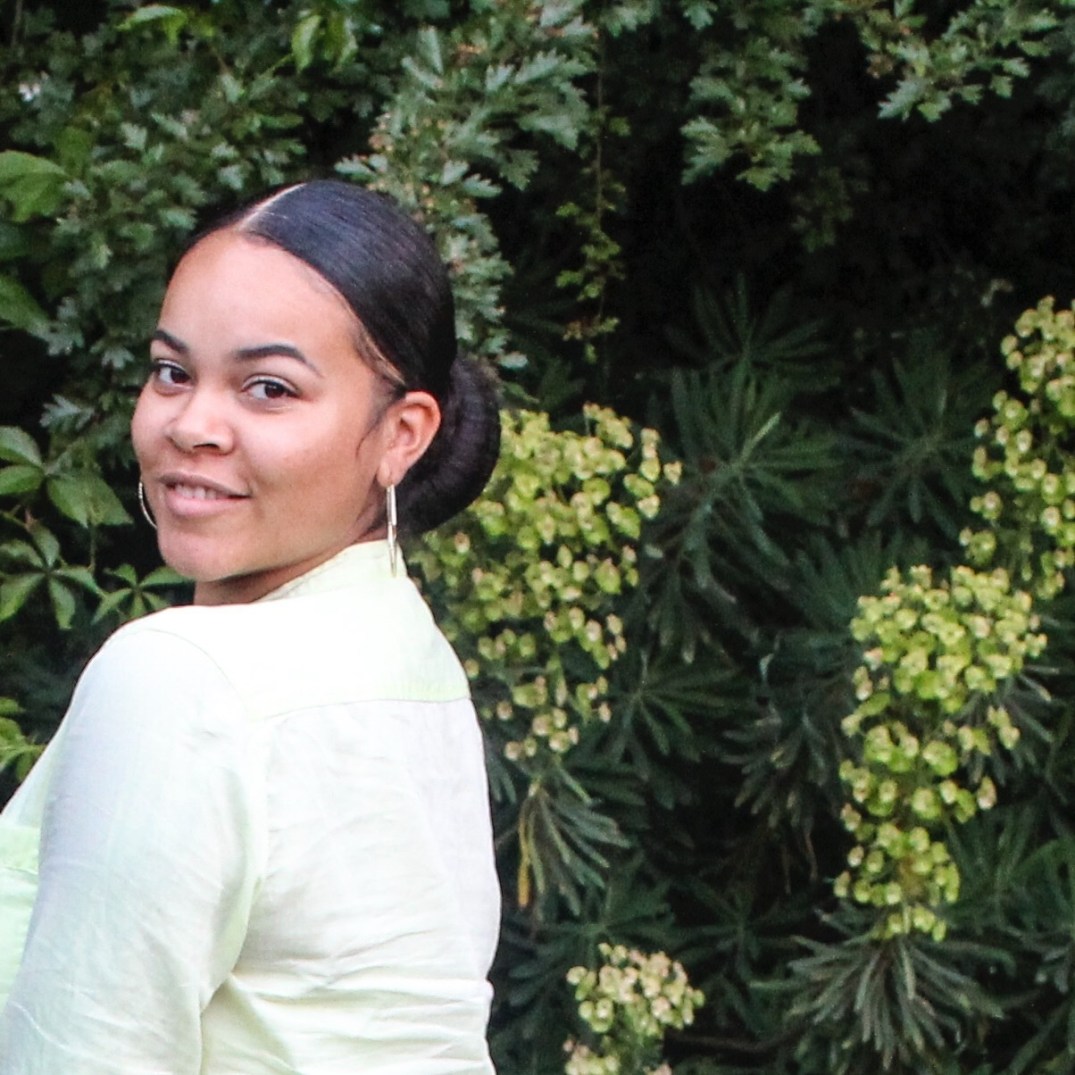
Keanna Pickett, educator, photographer, social justice activist and daughter of Erin “Tiny” Blackwell.

Keanna Pickett said that she “had to fight for her life from her first breath.”

When Keanna said that at our campus screening of the film “Streetwise” Oct. 7, it  stuck with me, because most of us fight to succeed and make something of our lives. But for Keanna, that quote had more meaning — because she said her mother, Erin “Tiny” Blackwell, while pregnant with her, did “every possible drug” to try to kill her in the womb.

That sort of revelation from her mother could have possibly caused a permanent rift in their relationship. Apparently it didn’t, because Keanna seemed  perfectly comfortable talking about her difficult upbringing. Continue reading

The Woman Behind “Streetwise” — Exploring the Work of Mary Ellen Mark

Michelle Dunn Marsh of Photographic Center Northwest describes the enduring legacy of her mentor at this “Streetwise Revisited” event at The Seattle Public Library 

streetwise-mem-by-joni-kabana-photography-tif
Mary Ellen Mark. Photo by Joni Kabana Photography


By Shan Yonamine, Project Assistant, Seattle University Project on Family Homelessness


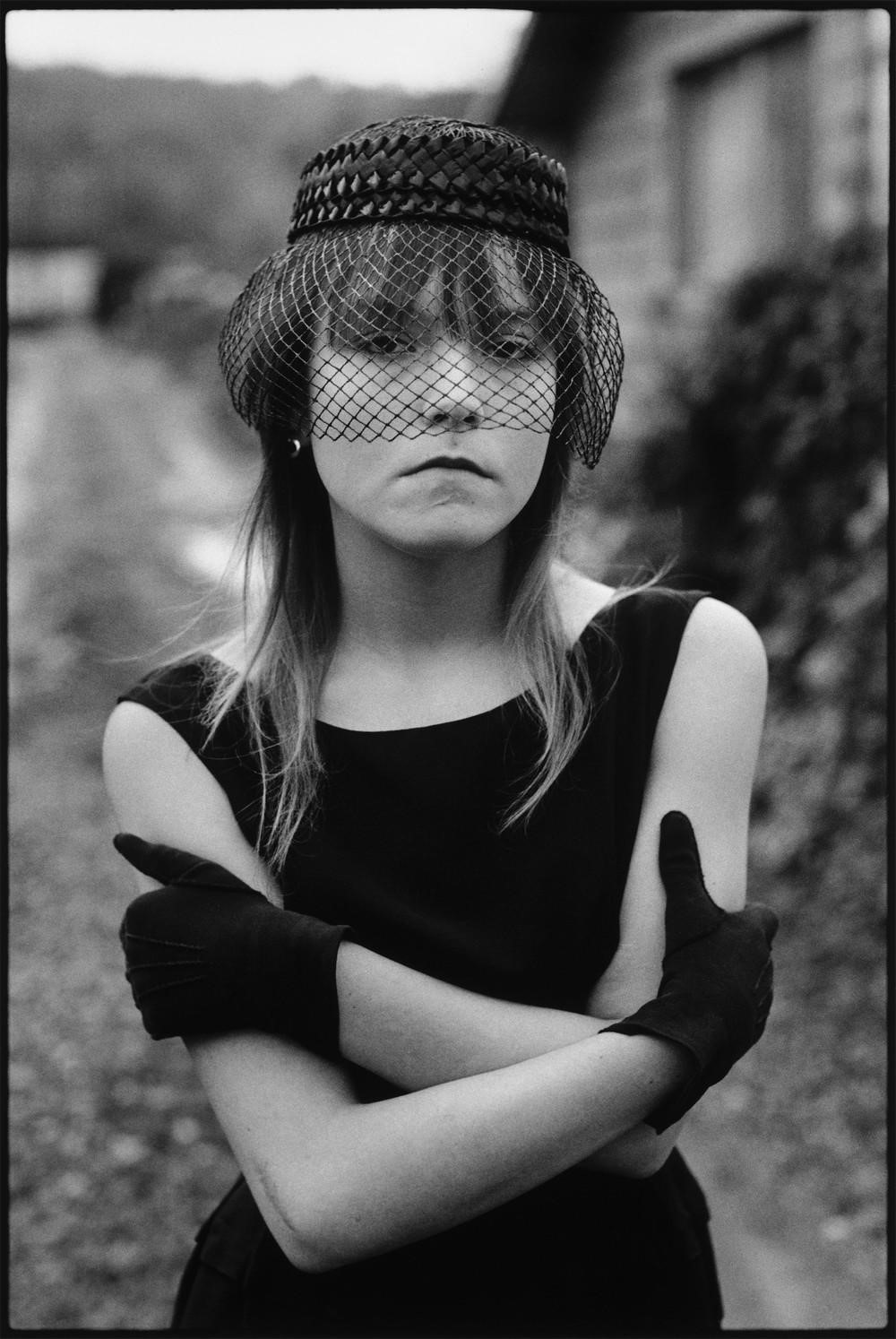
When I think of the “Streetwise” documentary, the image that immediately fills my mind is “Tiny in her Halloween costume” – the iconic photo of Erin “Tiny” Blackwell dressed elegantly in black, her stare piercing through the thin veil over her eyes. Many people will recognize this photo of Tiny, but they may not know about the photographer who made this iconic photo.

tiny-halloween-full
Tiny in Her Halloween Costume. Photo by Mary Ellen Mark

I had the opportunity to attend an art history talk on Oct. 5 by Michelle Dunn Marsh – the executive director of Photographic Center Northwest and colleague of renowned documentary photographer, Mary Ellen Mark – and I learned more about the photographer behind this classic image.

streetwise-mdm
Michelle Dunn Marsh. Photo by Sylvia Plachy.

Continue reading

Remembering “Streetwise” — Why We’re Revisiting the Classic Documentary

By Shan Yonamine, Project Assistant, Seattle University Project on Family Homelessness

streetwise-poster

When I joined this team a few months ago, I was given the chance to watch and react to films about youth and family homelessness. My favorite, by far, was “Streetwise.”

It has been over three decades since this revered documentary first stunned the American public; however, the legacy of the film lives on, as many of the social issues illuminated in the film remain extremely relevant today. After watching “Streetwise” I found that it is not only an artistic representation of youth homelessness in Seattle, but also a powerful tool for advocacy.

As a project, we recognize the historical poignancy of this film, and we will be hosting a free screening on Friday, Oct.7 at Seattle University for anyone who wants the opportunity to watch this significant documentary. This is part of The Seattle Public Library’s “Streetwise Revisited” project, and the screening is just one way we are supporting the project.

In “Streetwise,” renowned photographer Mary Ellen Mark, her husband, Martin Bell and producer Cheryl McCall take us on a journey by providing us with a firsthand perspective on what it’s like to be a homeless youth living on the streets of Seattle – a perspective that was only made possible by spending months observing, building relationships with and gaining the trust of the children they chronicled.

Erin (who goes by her street name “Tiny”) on Pike Street, Seattle, 1983
Erin (who goes by her street name “Tiny”) on Pike Street, Seattle, 1983. Photo by Mary Ellen Mark.

After watching “Streetwise” for the first time, I was taken aback to say the least. The film is stunning, raw, heartbreaking and beautiful all at the same time, which is not what I expected from a “documentary about youth homelessness in Seattle.” Continue reading

Three Years After Inocente — Overcoming Homelessness Through Art


Editor’s Note: This week is the third anniversary of Inocente’s visit to Seattle. We asked our new team member, Khadija, to watch the documentary “Inocente” and reflect on how it relates to our current work. 

By Khadija Diallo, Project Assistant, Seattle University Project on Family Homelessness

I had heard about Inocente’s story before, but this was my first time watching her documentary from beginning to end. Although homelessness is a dark and devastating situation for most people experiencing it, I was taken back by the multitude of colors that are shown throughout this Academy Award-winning documentary. These bright colors represented through her art, and through imagery, show the optimism and dedication that drives Inocente to continue to hope and dream for a better tomorrow.

“Inocente” tells the story of a 15-year-old girl experiencing homelessness but finding a will to live through her art. Her story is heartbreaking but also uplifting. At the beginning of the documentary, Inocente says “when I paint, I feel happy. It’s a good way to start my mornings.” And that’s how Inocente starts every morning, by painting what she dreams and what she hopes for her future.

inocente-painting
Inocente at work painting in the film. Credit: Sean Fine.

Continue reading

The “Lunch Ladies,” And Other Islands of Calm in a Choppy Sea


As First Place School weathers another storm, dedicated staff and volunteers keep things afloat

By Catherine Hinrichsen, Project Director, Seattle University’s Project on Family Homelessness

wube-worku_first-place_snip2
The very picture of serenity: Wube Worku of First Place School.

Last Friday, five days before school was scheduled to start, the halls of First Place School were fairly quiet.  In the classrooms of this school in Seattle’s Central District, brightly colored new backpacks stuffed with supplies were neatly lined up in the classroom cubbies. Volunteers like me from Seattle University‘s day of service were sprucing up the lunchroom bulletin boards and moving unneeded furniture into storage. In the kitchen, the “lunch lady,” Wube Worku, chopped vegetables and prepped the counters, pots and pans for a busy school year.

It all seemed cheerful and calm; but under the surface there was tension. Only days before, the school’s board had made the “business decision” to cut back from six grades — K-5 — to K-1 only. That decision left most of the school’s 90 homeless and vulnerable children without a school days before they were to start. For children and families in an already unstable situation, that’s a serious blow. Continue reading

Reclaiming Their Story: A Reflection on New Orleans’ Lower Ninth Ward

By Lindsey Habenicht, Project Assistant, Project on Family Homelessness and Seattle University Strategic Communications senior

Editor’s Note: Lindsey recently went to New Orleans for a spring-break service trip. We asked her to reflect on how her experience relates to the work we do on our project. She found a city still struggling to recover but filled with people who are amazingly resilient. Here is her report.

img_0415
A home in the Lower Ninth Ward with markings from after Katrina, reading “Don’t demolish.” Many of the houses in this neighborhood still wear spray-painted messages and markings from the initial rescue efforts. Photo by Lindsey Habenicht.

When I saw the Lower Ninth Ward for the first time, I immediately noticed the water marks that were eight feet high or above on some of the buildings, and the spray-painted markings on many houses. Those markings told, among other things, the number of victims – dead or alive – found inside the structure, or made a plea to leave the home as is.

Continue reading

Art for Advocacy: The Face of Family Homelessness

How partners across Washington state are using art for advocacy around homelessness.

By Catherine Hinrichsen, Project Director, Seattle University Project on Family Homelessness

Inocente at SAM walking down aisle by Steve Schimmelman

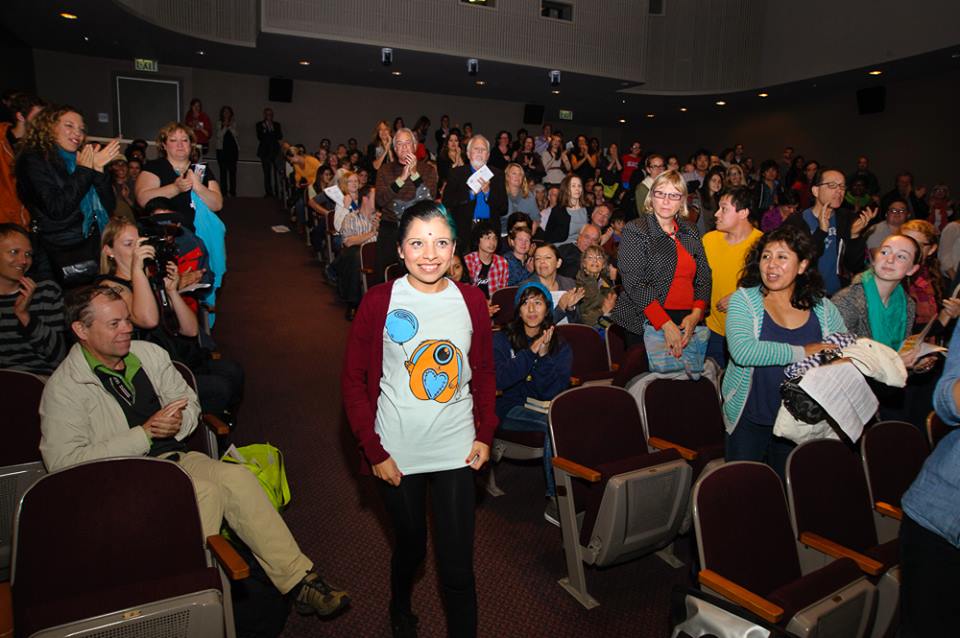
Partnering with Seattle Art Museum for the screening of “Inocente” allowed us to reach a new audience of art lovers. Here, they give Inocente a standing ovation at the conclusion of the film. Photo by Steve Schimmelman. 

Republished from the Bill & Melinda Gates Foundation’s “Impatient Optimists” blog, April 7, 2016.

A young woman of color takes the stage. With a quick prop change and shift of her posture, she becomes several different characters: a young military veteran, a successful business executive, a street paper vendor, all of whom have been hit with homelessness. Continue reading